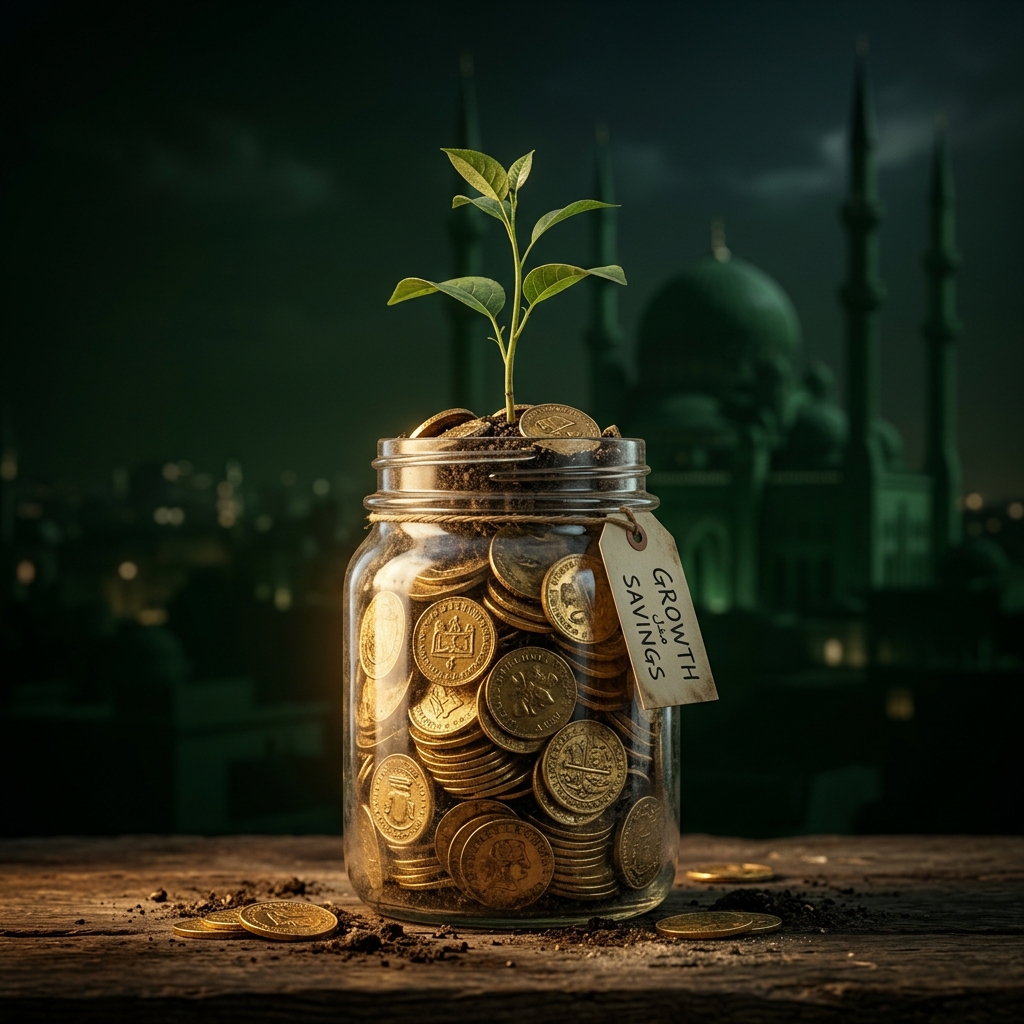
Zakat
Purify your wealth, help the needy.
Zakat purifies your wealth and brings blessings. It is the right of the poor in the wealth of the rich — the third pillar of Islam.
خُذْ مِنْ أَمْوَالِهِمْ صَدَقَةً تُطَهِّرُهُمْ وَتُزَكِّيهِمْ بِهَا
"Take from their wealth a charity by which you purify them and cause them increase."
— Surah At-Tawbah (9:103)
Purifies Wealth
Cleanses your wealth from impurities
Helps the Needy
Support those who truly need
Brings Blessings
Allah multiplies your wealth
Fulfills Obligation
An obligation on every Muslim
Zakat Eligible Assets
Different types of wealth on which Zakat is obligatory.
Who Can Receive Zakat?
Zakat can be given to the following eight categories.
- 1The Poor(Fuqara)
- 2The Needy(Masakin)
- 3Zakat Administrators(Amilun)
- 4Those in debt(Gharimin)
- 5Hearts to be reconciled(Mu'allafatul Quloob)
- 6For freeing captives(Riqab)
- 7In the way of Allah(Fi Sabilillah)
- 8The wayfarer(Ibnus Sabil)
Quran 9:60 - At-Tawbah
What is Nisab?
Nisab is the minimum threshold of wealth a Muslim must own before Zakat becomes obligatory. It is equal to 87.48 grams of gold or 612.36 grams of silver.
Zakat Calculator
Assuming Nisab threshold is met.
Quick Actions
Zakat Tip
"The best among you are those who learn the Qur'an and teach it."
— Sahih Bukhari (5027)
Your Zakat Can Make a Difference
Even a small amount can create a big change in someone's life.

Nisab & the Lunar Year
Zakat is due when your zakatable wealth is at or above the nisab for one full lunar year. The silver nisab (612.36 g) is lower — using it benefits the poor more.
Make It a Daily Habit
Check your wealth annually and pay zakat accurately.